Maybe you’ve heard the narrative that strength training is a young person’s game. That once you hit 50, you should stick to gentle walks and light stretching. Or maybe you’ve been told that it’s “too late” to start building muscle, that your body just can’t handle the demands of lifting weights anymore.
I’m here to tell you that’s complete nonsense.
If anything, strength training becomes more important as we age, not less. And if you’re over 50 and thinking it’s too late to start… You’re actually at the perfect time to begin one of the most transformative chapters of your fitness journey.

Let’s talk about what actually happens to our bodies as we age. Starting around age 30, we begin losing muscle mass at a rate of about 3-8% per decade. This process, called sarcopenia, accelerates after 50. We also start losing bone density, our metabolism slows down, and our balance and coordination can decline.
Sounds pretty grim, right? Here’s the thing though: none of this is inevitable or irreversible.
The muscle loss, bone density decline, and metabolic slowdown that we associate with “normal aging” are largely the result of inactivity. Not age itself. When researchers study people who remain active throughout their lives, they find that many of these age-related changes are dramatically reduced or even reversed.
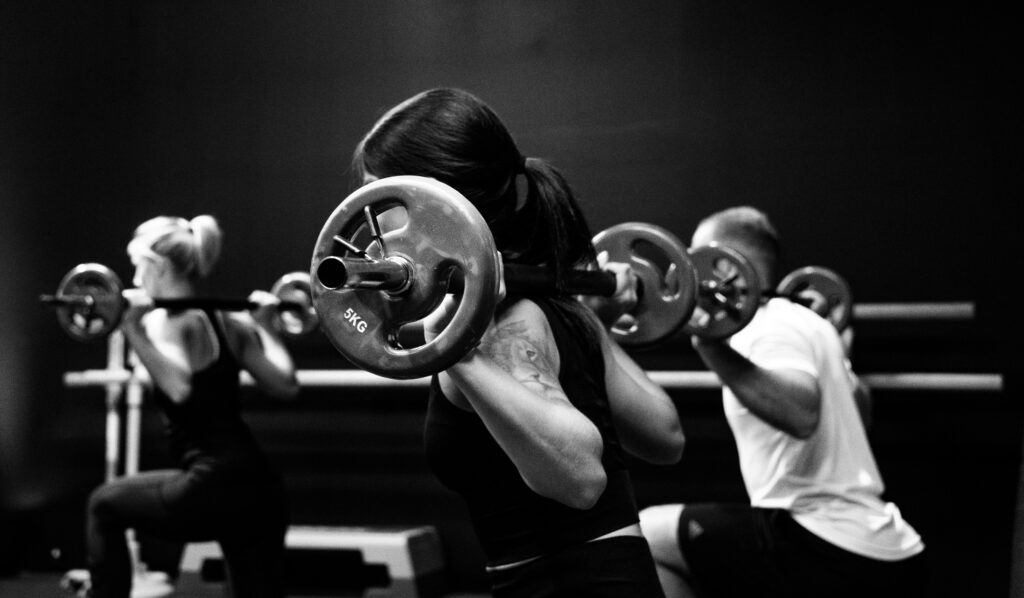
Strength training addresses virtually every concern people have about aging. It’s not just about looking good or being able to lift heavy things (though those are nice benefits). It’s about maintaining your independence, your confidence, and your quality of life.
Muscle preservation and growth: Yes, you can still build muscle after 50. Studies show that people in their 60s, 70s, and even 80s can gain significant muscle mass through resistance training. Your muscles don’t have an expiration date.
Bone health: Weight-bearing exercises stimulate bone formation. This is crucial for preventing osteoporosis and reducing fracture risk. Your bones need the stress of resistance training to stay strong.
Metabolic benefits: Muscle tissue is metabolically active, meaning it burns calories even at rest. Maintaining and building muscle helps keep your metabolism higher as you age.
Functional strength: The movements you do in strength training translate directly to daily activities. Being able to get up from a chair, carry groceries, or climb stairs without assistance isn’t just about convenience. It’s about maintaining your independence.
Balance and coordination: Strength training, especially exercises that challenge stability, improves balance and reduces fall risk. Falls are a leading cause of injury in older adults, making this benefit potentially life-saving.

Effective strength training for people over 50 doesn’t look dramatically different from strength training for younger people. The principles are the same: progressive overload, compound movements, consistency, and adequate recovery.
Compound movements: Focus on exercises that work multiple muscle groups at once. Squats, deadlifts, rows, and presses give you the most bang for your buck and translate well to real-life activities.
Balance and stability: Include exercises that challenge your balance and work your core. Single-leg movements, planks, and exercises on unstable surfaces can be particularly beneficial.
Flexibility and mobility: While strength training itself can improve mobility, adding dedicated stretching or yoga sessions can help maintain range of motion and reduce stiffness.
Consistency over intensity: Regular, moderate training is more beneficial than sporadic intense sessions. Aim for 2-3 strength training sessions per week rather than trying to cram everything into one or two marathon workouts.
The physical benefits of strength training after 50 are well-documented, but the mental and emotional benefits might be even more important.
There’s something incredibly empowering about discovering that your body is still capable of getting stronger, faster, and more resilient. Many of my clients over 50 tell me that strength training has given them a sense of control over their aging process. Instead of feeling like their bodies are declining, they feel like they’re actively working to maintain and improve their health.
The confidence that comes from physical strength extends into other areas of life. When you know you can handle physical challenges, you approach other challenges with more confidence too.
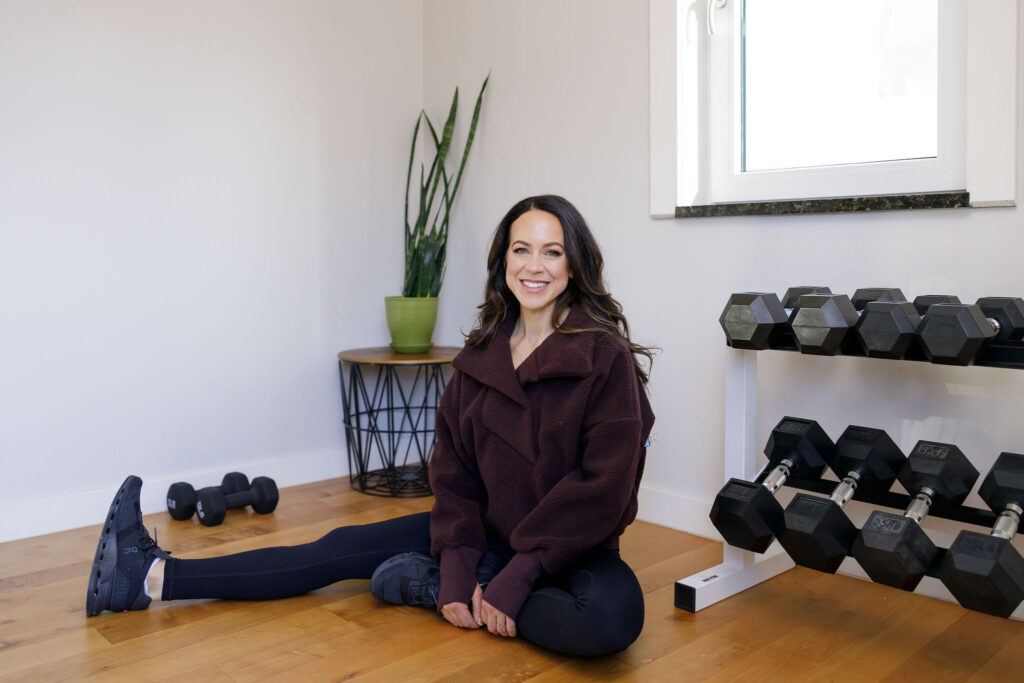
If you’re over 50 and have been thinking about starting a strength training program, stop thinking and start doing. Begin with bodyweight exercises at home, join a gym, or work with a trainer. The specific approach matters less than simply beginning.
Your future self will thank you for every squat, every push-up, and every moment you spend investing in your strength and health. Age is not a barrier to getting stronger. It’s a reason to prioritize it.
Ready to discover what your body is still capable of? I’d love to help you start your strength training journey, regardless of where you’re beginning. DM me on Instagram @coachjulianicole to learn about training options designed specifically for people who want to age strong and stay independent.
Your strongest years don’t have to be behind you. They can be ahead of you, starting right now.
Thank you for reading and don’t forget to check out my other blog posts here!