

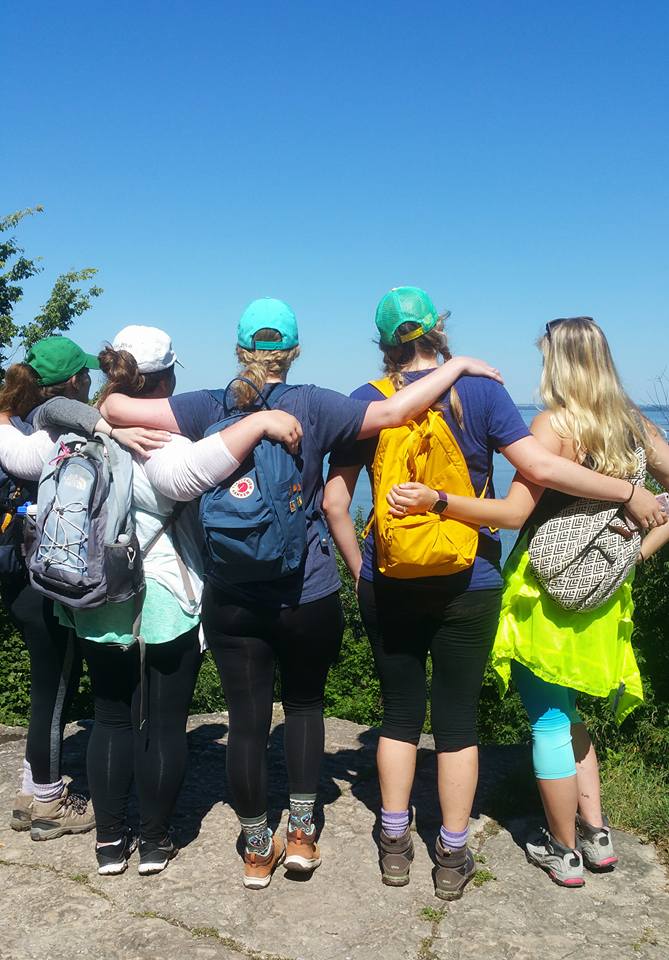
As a personal trainer, I often see clients working toward their fitness goals within the confines of my gym. While that’s obviously effective, there’s a world of benefits waiting just beyond the trailhead. I recently hosted my first hiking club adventure, where we tackled Tiger Mountain near Issaquah, and the energy, camaraderie, and sheer joy on the faces of the women climbing alongside me were palpable. It was a powerful reminder that hiking delivers so much more than just a workout.
For women especially, hitting the trails can be a profoundly empowering and beneficial exercise, impacting everything from physical strength to mental wellness and even navigating hormonal shifts.
Let’s talk about why hiking is a powerful tool for women’s health.
Hiking is a full-body workout disguised as an outdoor adventure. It builds endurance and strength in ways that vary with the terrain. When you’re tackling an uphill climb, your glutes, quads, and hamstrings are working overtime. Descending engages your ankles, hips, and core, improving stability. Navigating roots, rocks, and uneven paths constantly challenges your balance and engages stabilizing muscles throughout your legs and core.
Beyond muscle development, hiking is excellent for cardiovascular health. Even a moderate pace elevates your heart rate, enhancing blood circulation and delivering oxygen and nutrients to your muscles. Regular hiking can improve blood pressure, blood sugar levels, and cholesterol, contributing to a healthier heart. It’s a weight-bearing activity, which is crucial for maintaining and even increasing bone density, a key factor in reducing the risk of osteoporosis, especially as women age.
The benefits of hiking extend well beyond the physical, though. Spending time outdoors, especially in green spaces, has a remarkable effect on mental health. The sights, sounds, and smells of nature can trigger a calming response in the brain, reducing levels of stress hormones like cortisol.
Many women find hiking to be a powerful antidote to the demands of daily life. The rhythmic movement of walking, combined with fresh air and natural light, helps to quiet mental noise. It gives you a chance to disconnect from screens and obligations, which gives you a sense of presence and mindfulness. Studies have shown that spending time in nature can reduce symptoms of anxiety and depression and even improve mood. This mental reset can lead to improved focus, better sleep, and a greater sense of overall well-being.

For women navigating the shifts of perimenopause and menopause, hiking can be a particularly supportive form of exercise. The hormonal changes during these life stages can bring challenges like weight gain, bone density loss, mood fluctuations, and disrupted sleep. Hiking directly addresses many of these concerns:
Weight Management: Regular hiking helps maintain a healthy weight, assisting in managing the menopausal weight gain many women experience.
Bone Health: As a weight-bearing activity, hiking helps preserve bone density, reducing the risk of osteoporosis and fractures, which becomes more important as estrogen levels decline.
Mood and Sleep: The physical exertion of hiking releases endorphins, natural mood boosters that can alleviate symptoms of anxiety and depression. Additionally, consistent outdoor exercise helps regulate sleep patterns, improving sleep quality often disrupted by hot flashes and night sweats.
(For more on the power of community while you’re managing big hormonal changes, read my blog: Finding Your Tribe: The Power of Community During Perimenopause and Menopause).
Muscle Strength: Maintaining strong muscles is crucial during hormonal changes. Hiking engages many muscle groups, helping to preserve muscle mass and support joint health.
By integrating hiking into your routine, you’re not just exercising—you’re actively supporting your body’s adaptation to a huge life change.
While solo hiking has its own rewards, hiking with a group adds a layer of connection and shared experience. Many women find deep satisfaction and support in hiking alongside others who share similar interests and goals. This camaraderie fosters a sense of belonging, reduces feelings of isolation, and can lead to lasting friendships.
Sharing the physical challenge and the beauty of nature can create strong bonds. It’s a chance to decompress, share conversations, and support each other through varied terrain and life’s ups and downs. If you’re looking to find your hiking tribe, consider joining a local group. My monthly adventure club, for instance, focuses on exploring incredible trails around Washington and gives the women who participate a consistent opportunity for connection and movement.
Tips for Solo Hikes
While group hikes create community, there’s a powerful sense of accomplishment and self-reliance that comes from solo hiking. If you choose to set out alone, planning and preparation are key to a safe and fun hike:
Tell Someone Your Plans: Always inform a trusted friend or family member about your chosen trail, estimated start and return times, and emergency contact information.
Know Your Route: Study your map (paper and/or downloaded digital) and understand the trail before you go. Don’t rely solely on cell service—it can be unreliable in many wilderness areas.
Pack the Essentials: Carry the “Ten Essentials” for hiking, which include navigation tools, sun protection, insulation (extra layers), illumination (headlamp/flashlight), first-aid supplies, fire starter, repair kit/tools, extra food, extra water, and emergency shelter.
Check the Weather: Be aware of the forecast and prepare for changing conditions. Pack appropriate clothing and rain gear.
Trust Your Gut: If a situation or person on the trail feels off, trust your instincts. It’s always okay to turn around or change your plans.
Stay Aware: Avoid using headphones that block out ambient sounds entirely. Be aware of your surroundings, periodically looking around and behind you.
Consider Safety Tools: For added peace of mind, consider carrying personal safety devices like pepper spray or a personal alarm. A GPS beacon device, like a Garmin inReach, is also a valuable investment for communication in areas without cell service.
Remember, being prepared enhances both your safety and your enjoyment of the solitude.
Whether you join a group or embark on a solo journey, the benefits of hiking for women are clear and many! From building physical strength and resilience to enhancing mental wellness and supporting hormonal balance, hiking is the ultimate holistic approach to health.
Ready to discover what trail near you is calling your name? Lace up those boots and let’s make it happen.